
Cold Blooded Murder
A Policeman's Tale, Part 21

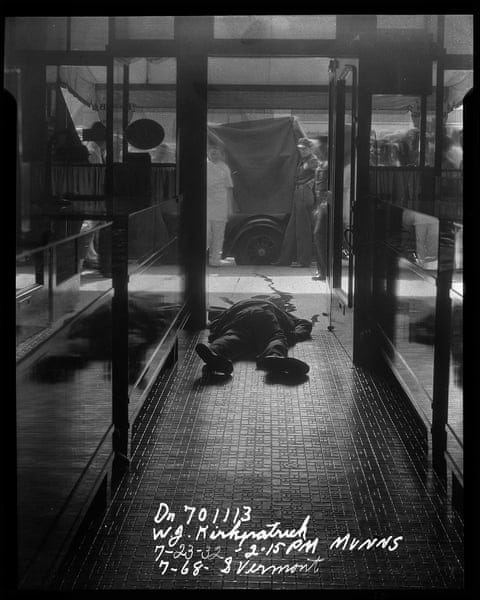
“Homicide is the major leagues, the center ring, the show. It always has been ... It goes beyond academic degrees, specialized training or book learning, because all the theory in the world means nothing if you can’t read the street.” ~David Simon
Love Notes
The trial of Jose Hozer Romo is anti-climactic for many reasons. It’s straight forward. A cop saw it happen. And because, like most gang killings, the public loses the momentum of sudden sensation. It’s notable in your memory, years later, for the things you didn’t know when you swore the oath and took the stand in front a jury. You didn’t know that the judge’s wife would one day be found under a mountain of clothes in the bedroom closet, or that the chessboard in his chambers was set up wrong. You didn’t know that Jose Romo’s attorney, sitting there with his defiant grin, was also a heroin addict and would eventually find his way into bracelets. You could not have known that you would soon spend years steeped in gangs and murder and drugs, on rolling surveillances through Los Angeles and beyond, that you would one day sit in a wire room and listen as a broker from Lompoc ordered one ton of cocaine from a broker in Columbia. You couldn’t know those things or the toll it takes when the door opens and you see into the big room of things that should not be seen.
Jose Romo was dressed for court, a goblin in a bad suit, and when the DA asked you to identify him in the court room, and then again from a photograph taken the night he went out murdering, you took the photo in your hands, looked at with a sneer, and placed it face-down on the rail in front of you. You did that on purpose and the jury saw your disdain. You know they saw it because all nine sets of eyes were watching you the way a cat watches a mouse. You wanted them to see what you thought of the murderer sitting at the table. You wanted them to see what no question would ever ask you to express.
But the jury would never know what you really thought, that David Montanez did not deserve to die but that he was a gangster—no matter what his family said in the paper—and that he was also a doper, and that gangsters and dopers who don’t pay their debts sometimes die for it. It wasn’t a question of sympathy for the victim, or the family, it was a question of certain life choices ending with predictable consequences. And maybe it was more, a disappointment you carried that people could know the probable outcome of their decisions and still make the wrong one. They could even insist on the wrong one and for all of the wrong reasons. You thought those things but the jury would never see into that place.
Long after you were gone, your testimony over, the jury might hear the rest of the story, that two other knuckleheads had lured David Montanez into the parking lot, that Romo had jumped out to kill him, and that you just happened to drive into the middle of an in-progress homicide. They would hear the tape of your radio broadcast and hear the tires squealing as his accomplices abandoned Romo to his fate. They would hear how the SWAT team kicked in their door a few hours later and took the cowards into custody to answer the charge.
But they wouldn’t hear about the rest of your night, already fading in your own memory because nothing ever stops in police work, the wheel is always spinning and the cases start piling up, one day to the next, until they end up in your memory as one gigantic case and one gigantic statement about who we are and how we do things. To parse them out again takes work you won’t do until you finally retire.
